Empowering Survivorship: The Essential Guide to Cancer Awareness and Support
Navigating the journey of cancer survivorship is much like setting sail on an uncharted sea. For many, it starts with feeling overwhelmed by the diagnosis, treatment options, and the emotional rollercoaster that follows. However, armed with the right strategies and a support network, this journey can transform into a journey of empowerment and resilience. Have you ever paused to consider how profoundly your approach can affect your survivorship? Let's explore some comprehensive strategies that not only enhance wellness but also cultivate a supportive community rooted in cancer awareness.
The landscape of oncology has evolved significantly, giving rise to diverse cancer treatment options, from traditional methods to innovative clinical trials that offer hope for many. As you navigate the myriad pathways of treatment, it's crucial to stay informed on the latest cancer news and research. Did you know that engaging in preventative health and early detection dramatically increases your chances of a positive outcome? Embracing education around these topics empowers you to make informed decisions about your treatment journey, all while understanding the vital role that mental health plays in survivorship.
In addition to effective medical interventions, embracing lifestyle changes is a powerful way to enhance your overall wellness. Integrating alternative therapies, nutritional support, and holistic health practices can offer you a sense of control in an uncertain time. Imagine sipping a green smoothie that not only tastes delightful but also nourishes your body and supports your immune system! Have you explored the myriad options of wellness modalities available to you? Simple tweaks in daily habits can lead to profound benefits in your physical and emotional well-being.
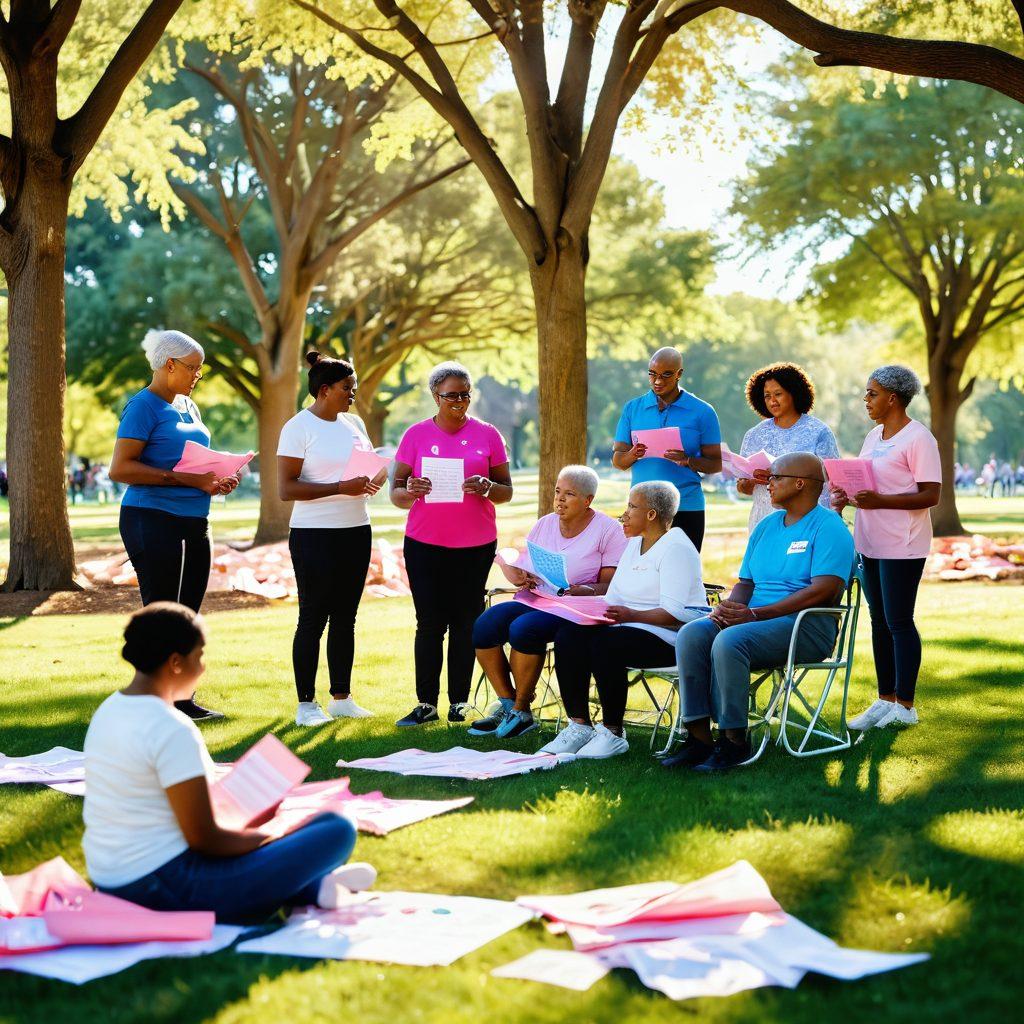
Support groups can become a beacon of light amidst the storm of cancer survivorship. Sharing experiences and connecting with others who truly understand your challenges may feel like turning a page in your favorite book—a chapter filled with hope, empathy, and shared strength. These networks can provide not just patient support but also a sense of belonging, enabling you to feel less isolated in your journey. The question is: What steps are you willing to take to find and engage with such supportive communities? Your journey toward empowerment starts with community support.
As you voyage through survivorship, remember to prioritize symptoms management and adopt a proactive approach towards your health. Keeping records of any changes you experience can provide insightful data when discussing with your oncology team. With awareness comes clarity, enabling you to voice your concerns and preferences more effectively. By embracing all facets of wellness—physical, emotional, and social—you not only enhance your quality of life but also set a profound example for others navigating similar paths. Will you take the helm of your survivorship journey and steer towards a happier, healthier future?
Holistic Wellness: Integrating Nutrition and Alternative Therapies in Cancer Care
In the quest for effective cancer care, the conversation is shifting from traditional oncology practices to a more integrated approach that prioritizes holistic wellness. Imagine a world where a comprehensive view of health accompanies the fight against cancer—a world where nutritional support and alternative therapies are as pivotal as chemotherapy. This progressive perspective encourages not only the battle against the physical symptoms of cancer but also embraces mental health and lifestyle changes that can profoundly alter the journey of survivorship.
"Wellness is not a destination, it’s a way of life," as the saying goes, and never is this truer than in the realm of cancer treatment. Holistic health encompasses more than just the absence of disease; it involves embracing a lifestyle that fosters physical, emotional, and mental balance. Through community support and robust patient support systems, individuals facing cancer can find reassurance in knowing that they are not alone. Support groups become lifelines, offering both comfort and practical advice that can guide patients towards healthier lifestyles.
Nutrition plays a cornerstone role in this integrative approach to oncology. Scientists and healthcare providers emphasize the importance of a balanced diet, rich in vitamins, minerals, and antioxidants. These components not only boost the immune system but also enhance the body’s ability to endure cancer treatments. With the latest cancer research showing promising evidence of diet influencing health outcomes, these dietary adjustments aren’t just recommendations; they can be crucial lifestyle changes that contribute to successful cancer management and survivorship.
Exploring alternative therapies further enriches the arsenal against cancer. Practices like acupuncture, massage therapy, and mindfulness meditation have gained traction in recent years, not only for their pain alleviation properties but also for their ability to enhance mental well-being. As more patients discover the efficacy of these methods, the demand for alternative modalities alongside traditional treatments has surged. Have you considered how these therapies might fit into your care plan? Integrating these practices encourages a more customizable approach in which patients play an active role in their healing journey.
Finally, as we delve into the nuances of survivorship, it is vital to underscore the importance of early detection and regular follow-ups. Participation in clinical trials can also enhance your healthcare experience, allowing access to innovative treatments and therapies earlier than available in standard care. The world of cancer care is continuously evolving, offering opportunities for improved outcomes. By embracing holistic wellness through nutrition and alternative therapies, we empower ourselves and others in our fight against cancer, fostering a community of strength, resilience, and unwavering support.
Building a Supportive Community: The Role of Patient Advocacy and Support Groups
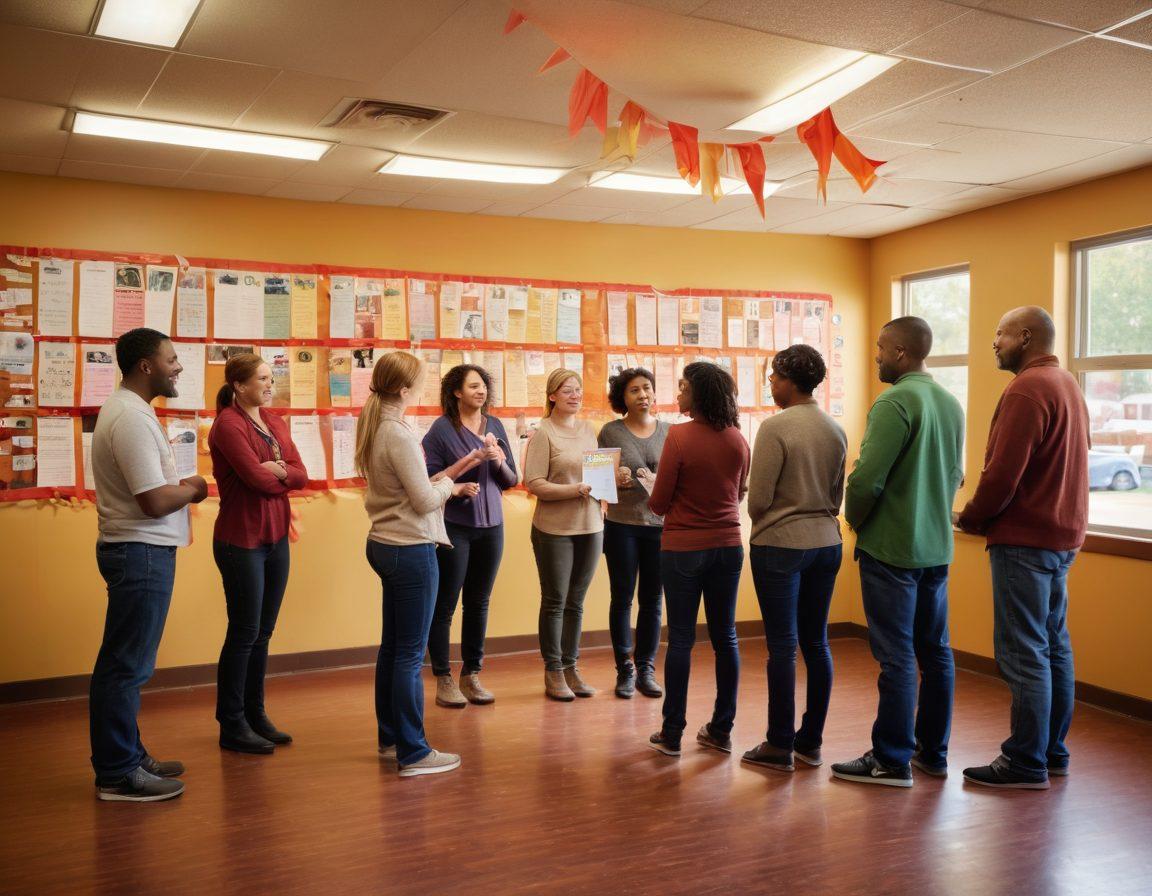
Building a supportive community is essential in the fight against cancer, but what does that truly mean? Picture this: You're diagnosed with cancer, a word that alone can leave you trembling with fear and uncertainty. In this vulnerable moment, a strong support system can be the lifeline you never knew you needed. Support groups and patient advocacy bridges the gap between despair and hope, offering a platform where individuals can navigate the tumultuous waters of cancer treatment together, share their experiences, and forge bonds that often last a lifetime. When faced with oncology challenges, it's encouraging to know you are not alone.
Support groups are more than just meetings; they are safe havens where cancer patients and survivors can share their stories, fears, and victories. One survivor said, "Finding my support group felt like coming home. It transformed my cancer journey from a lonely fight into a collective battle." This community-driven approach not only fosters friendships that help ease mental health struggles but also encourages discussions about lifestyle changes, preventative health, and alternative therapies. Patients are endowed with the tools they need to not just survive but thrive, highlighting the integral role of survivorship in the healing process.
In addition to emotional support, these groups often serve as conduits for vital cancer news and breakthroughs in cancer research. They connect members with opportunities for clinical trials that may offer innovative treatments or therapies. Imagine being part of a community that shares the latest findings on nutritional support or effective symptoms management strategies! It's like being at the forefront of healthcare; your support group not only encourages you but also empowers you with knowledge that can improve your wellness journey throughout your treatment.
Patient advocacy is yet another essential component of building a supportive community. Advocates work tirelessly to ensure that the voices of cancer patients are heard loud and clear. They fight for better access to healthcare services, raise awareness about the importance of early detection, and support initiatives that promote holistic health practices. If you've ever felt sidelined in your own treatment, an advocate can help you navigate the complex healthcare system. Engaging with them can open doors to crucial resources, educational materials, and specialized support groups that meet your unique needs.
Ultimately, building a supportive community around cancer survivorship fosters a culture of collective resilience. Whether you're a patient, a survivor, or a loved one, the journey through cancer is not one you have to walk alone. As you explore support groups and patient advocacy opportunities, ask yourself: how can I contribute to boosting cancer awareness in my community? By sharing your experiences, participating in discussions, or volunteering, you can play a part in creating a robust support network that uplifts and empowers everyone touched by cancer. Together, we can transform the narrative of cancer from one of fear to one of hope, strength, and relentless community support.